DK LLLounge | Saturday | 11:30 AM
Scientific facts don’t travel on their own. Evidence can easily bounce off audiences if it lands without context, in the wrong format or — the worst of all — straight into people’s fears, identities and biases. This is where misinformation thrives because it’s built for your feed, it spreads faster and with a lot more confidence. So how do you actually communicate “hot” science to broad audiences without dumbing it down, sensationalizing it or accidentally boosting the very narratives you’re trying to shut down like fake news?
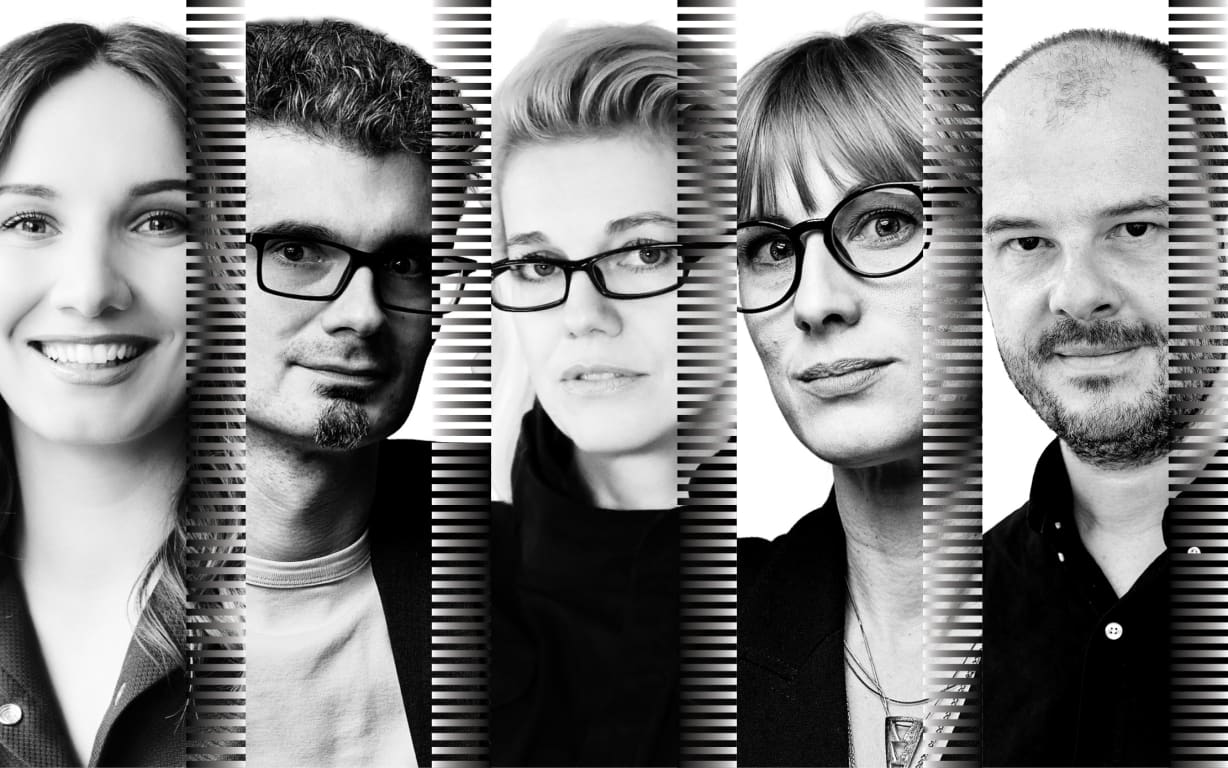
From how people process difficult information to why misinformation travels faster than nuance, our panelists Antonella Barišić Kulaš (Researcher, Faculty of Electrical Engineering and Computing (FER), University of Zagreb), Anđela Buljan Šiber (Owner, Izone.agency, Scientific Enthusiast, Member of HURA and IAB Croatia, Member of DK Organizing Committee), Petra Buljević Zdjelarević (Head of PR and Communications, Ruđer Bošković Institute), Zvonimir Galić, PhD (Professor, Department of Psychology, Faculty of Humanities and Social Sciences, University of Zagreb) and dr.sc. Marko Košiček (Coordinator of science popularization and science communication projects, Ruđer Bošković Institute) will show how communicators can help researchers become clear, credible public voices — through framing, timing, format and a bit of communication strategy.